MX $ 6,950.00
MX $ 6,950.00
MX $ 6,950.00
(MX $ 6,950.00/Kilogramo)
MX $ 6,950.00
/ Kilogramo
Vainas de Vainilla (Vanilla planifolia)
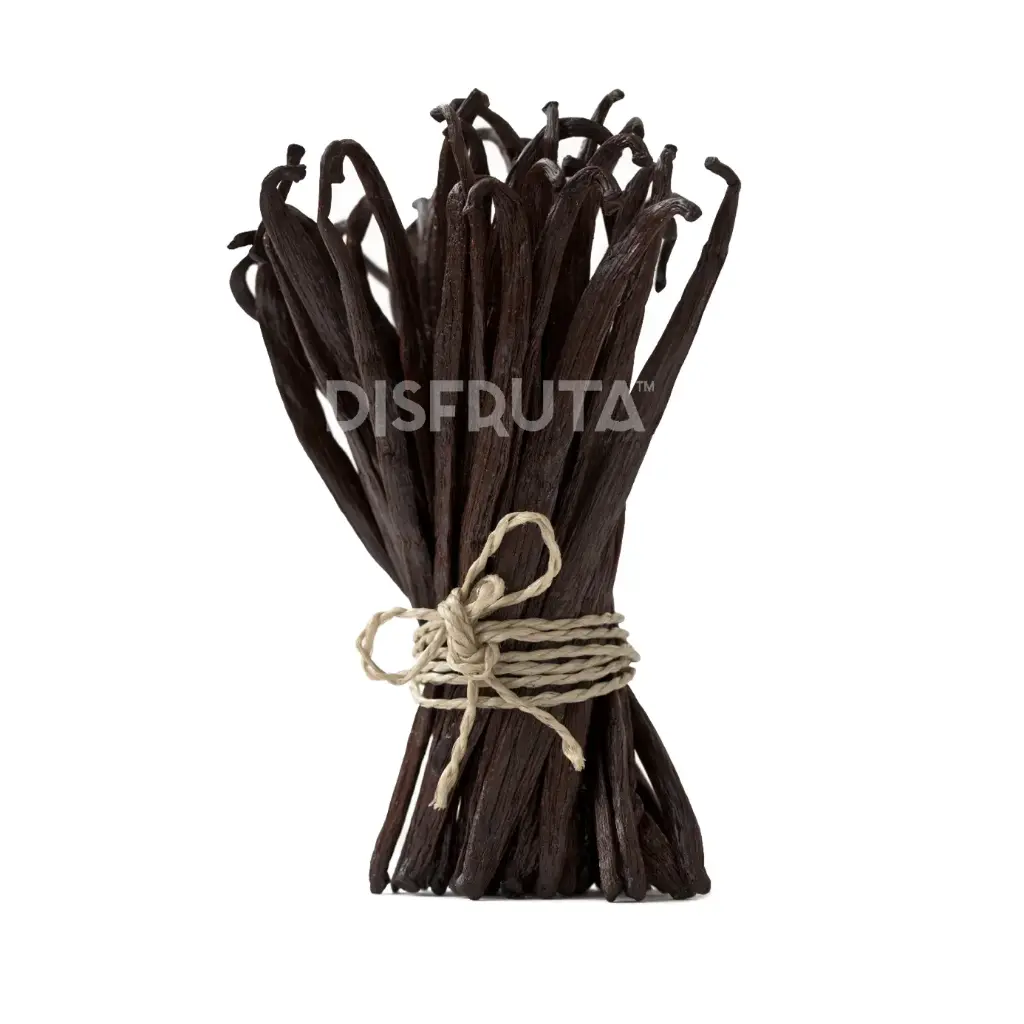
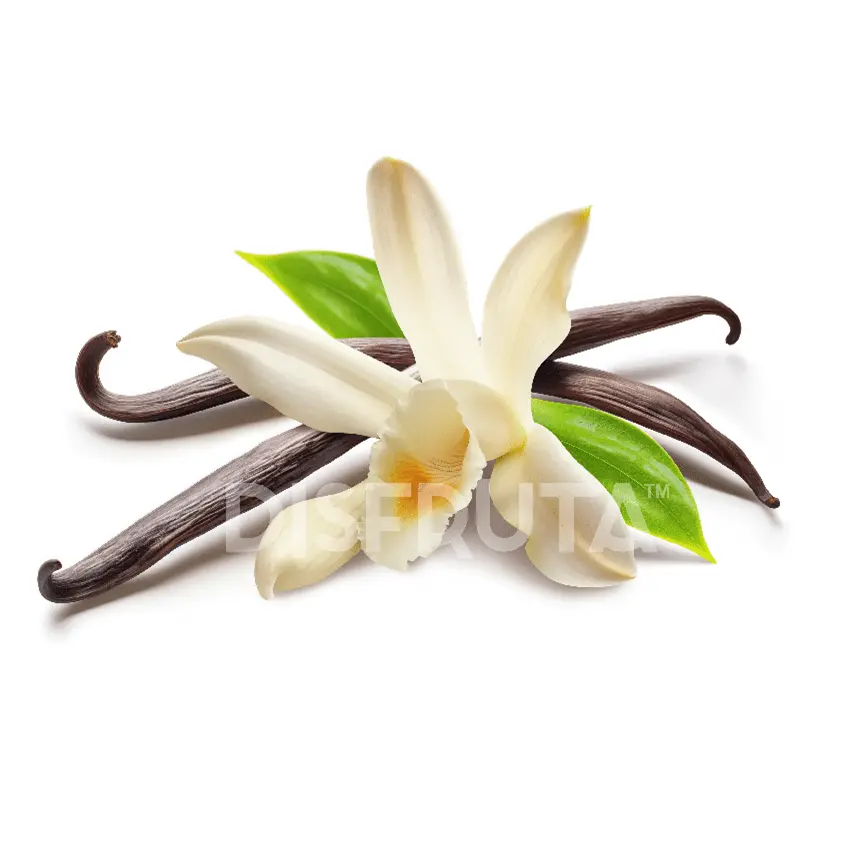
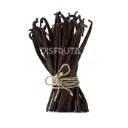
Cured Mexican vanilla beans (Vanilla planifolia), originating from Veracruz and measuring approximately 18–20 cm in length. Vanilla is the fruit of an orchid native to Mexico and has a particularly important historical relationship with the Totonac region of northern Veracruz and Puebla. After harvesting, the beans undergo a curing and drying process that develops their characteristic dark appearance and complex aromatic profile. Gob.mx
Organoleptic Properties
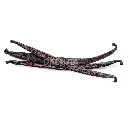
Long, slender and flexible beans ranging from very dark brown to nearly black, with a slightly glossy surface and pliable texture when properly conditioned. Inside are thousands of tiny seeds suspended in an intensely aromatic, resinous pulp. The aroma is rich, warm and persistent, displaying sweet, floral, creamy, woody, spicy and subtly chocolate-like notes. Vanillin is one of vanilla's characteristic aromatic compounds, although the flavor of a natural bean results from a much more complex combination of volatile compounds. Ciencias Agrícolas INIFAP
Suggested Uses
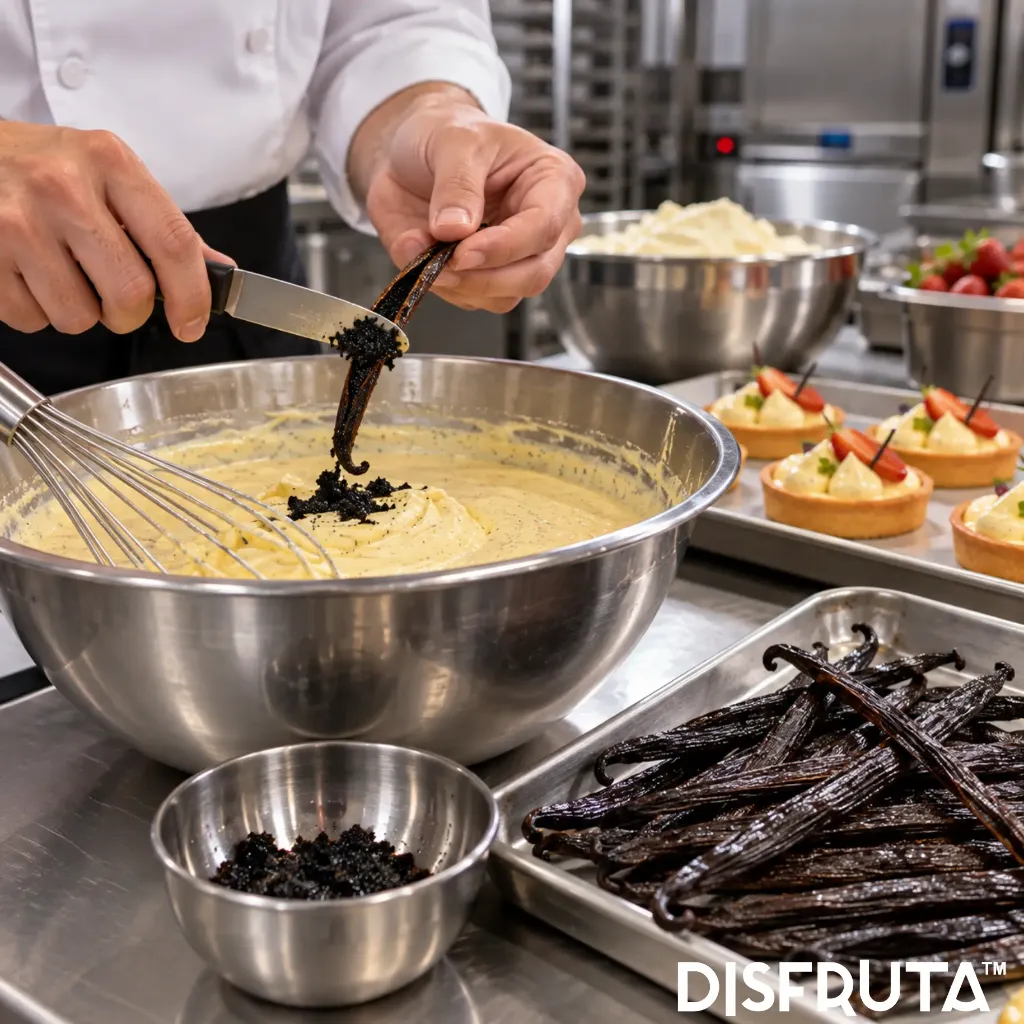
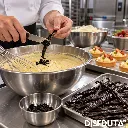
To use a vanilla bean, split it lengthwise with a fine knife and scrape out the seeds and aromatic pulp using the back of the blade. As a practical culinary guideline—adjusting according to desired intensity—one 18–20 cm bean can flavor a medium cake of approximately 8–10 servings, 500–750 ml of cream, milk or custard preparation, or approximately 1 liter of ice-cream base. Delicate preparations may require only ½ bean, while particularly intense recipes may use 1–2 beans.
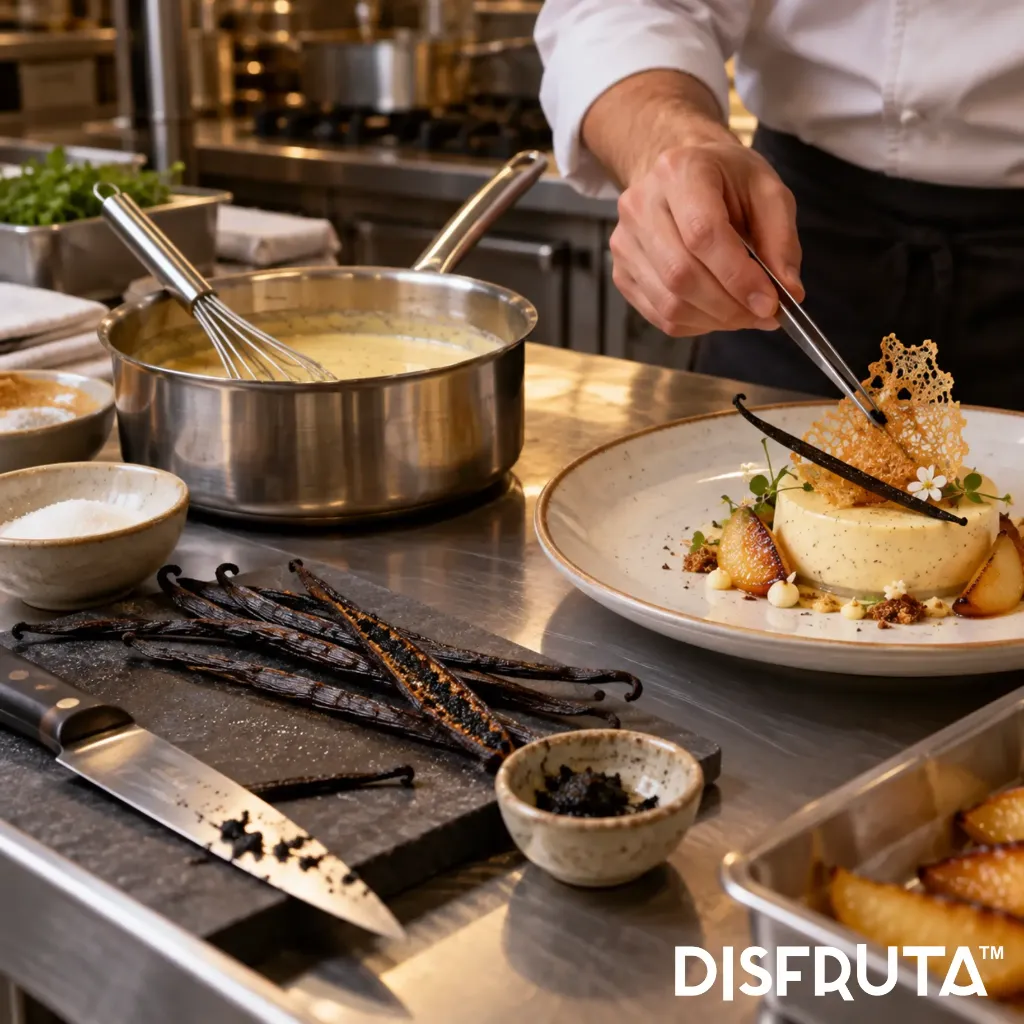
Do not discard the bean after scraping out the seeds. The remaining pod retains considerable aroma and can be reused in several ways: place it in an airtight container with sugar to make naturally vanilla-infused sugar; steep it in warm milk or cream; add it while preparing rice pudding, custards, chocolate, coffee, atole or syrups; or allow it to dry completely and finely grind it for use in small quantities in sugar, baking mixtures or other aromatic preparations. For vanilla sugar, a practical guideline is approximately one used bean per 250–500 g of sugar, kept tightly sealed and allowed to infuse for several days or weeks.
For maximum extraction, both the seeds and the pod can be used together: scrape the seeds into the recipe, then add the remaining pod during infusion and remove it before serving. This method is particularly effective for custards, ice cream, crème brûlée and other dairy preparations. Natural vanilla is widely used to flavor cakes, cookies, ice cream, beverages and numerous desserts.
No se debe desechar la vaina después de retirar las semillas. La membrana o cáscara conserva una cantidad considerable de aroma y puede aprovecharse de varias maneras: colocarla en un recipiente hermético con azúcar para preparar azúcar naturalmente aromatizada con vainilla; infusionarla en leche o crema caliente; incorporarla durante la cocción de arroz con leche, natillas, chocolate, café, atoles o jarabes; o dejarla secar completamente y posteriormente triturarla finamente para incorporarla, en pequeñas cantidades, a azúcar, mezclas de repostería o preparaciones aromáticas. Para azúcar de vainilla, una guía práctica es utilizar 1 vaina aprovechada por aproximadamente 250–500 g de azúcar, manteniendo el recipiente cerrado y dejando que el aroma se desarrolle durante varios días o semanas.
Para una extracción más completa, pueden utilizarse las semillas y la vaina simultáneamente: raspar el interior, incorporar las semillas a la preparación y añadir también la cáscara durante la infusión; retirar esta última antes de servir. Este método es particularmente útil en cremas, helados, crème brûlée, natillas y otras preparaciones lácteas. La vainilla natural es ampliamente utilizada en pasteles, galletas, helados, bebidas y otros postres.
Format
1 Kg pack of whole cured vanilla beans measuring approximately 18–20 cm. The number of beans per kilogram may naturally vary according to bean size, thickness and moisture content.
Storage and Handling
Store in a cool, dry and dark place inside a tightly sealed container or package to minimize moisture and aroma loss. Protect from direct sunlight, heat sources and abrupt temperature fluctuations. Routine refrigeration or freezing is not recommended, as unsuitable conditions may affect texture and promote condensation. Inspect periodically during extended storage.
Quality and Selection Criteria
Select long, intact, intensely aromatic and preferably flexible beans, displaying a very dark brown to nearly black coloration and the characteristic surface of properly cured vanilla. A good-quality bean should remain pliable enough to split lengthwise without breaking easily. Avoid excessively dry, brittle beans, abnormal odors or signs of deterioration. Naturally occurring vanillin crystals may occasionally develop and should not automatically be confused with mold; however, fuzzy growth, abnormal odors or other clear signs of contamination indicate that the affected product should be discarded.
Veracruz, México.
Veracruz, Mexico.
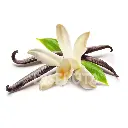
Vanilla (Vanilla planifolia) is native to Mexico, and its history is deeply connected with Totonac culture and Veracruz. For centuries, Mexico was the world's principal source of vanilla before the development of manual pollination allowed its cultivation to expand to other regions. Veracruz remains Mexico's leading vanilla-producing state. In addition, Vainilla de Papantla has a protected Denomination of Origin covering a defined group of municipalities in Veracruz and Puebla; consequently, vanilla produced elsewhere in Veracruz should not automatically be described as “Vainilla de Papantla” unless it meets the corresponding geographical and product requirements.